From Therapy Rooms to TikTok: How ‘Nervous System Talk’ Went Mainstream
A decade ago, terms like nervous system regulation mostly lived in trauma therapy sessions and physiology textbooks. Today they show up in captions under morning stretch routines, cold plunge videos, and supplement ads. The phrase has become shorthand for almost anything calming—slow breathing, a weighted blanket, a specific tea, a $200 wearable.
That popularity isn’t accidental. Chronic stress is a real, widely reported concern among adults in their 20s to 40s, and the promise of a switch you can flip—’just regulate your vagus nerve’—is appealing. But nervous system regulation is a physiological process, not a marketing category. Understanding what it actually is makes it much easier to tell a genuinely useful practice from a trend riding on borrowed scientific language.

What the Autonomic Nervous System Actually Does
The autonomic nervous system (ANS) is the part of your nervous system that runs largely without conscious input—heart rate, digestion, pupil size, breathing rhythm. It’s the body’s background operating system, constantly adjusting to keep internal conditions stable, a process physiologists call homeostasis.
Regulation, in the technical sense, simply means the ANS shifting its activity level up or down in response to a real or perceived demand, then returning toward baseline once the demand passes. It is not a single ‘on/off’ state you can permanently lock into with one practice. It’s an ongoing, moment-to-moment process—closer to a thermostat than a light switch.
Sympathetic vs. Parasympathetic, Without the Jargon
The ANS has two main branches that work together, not against each other. The sympathetic branch mobilizes energy—raising heart rate, sharpening focus, preparing muscles for action. This is often (imprecisely) called ‘fight or flight,’ but it activates constantly during ordinary tasks, from climbing stairs to a tense email exchange, not just emergencies.
The parasympathetic branch supports recovery and maintenance—slowing heart rate, aiding digestion, promoting rest. The vagus nerve is the primary highway for parasympathetic signals traveling between the brainstem and organs like the heart, lungs, and gut. Healthy functioning depends on both branches responding appropriately and flexibly, not on permanently maximizing parasympathetic activity.
The Vagus Nerve Hype vs. What Stimulation Really Does
The vagus nerve has become the poster child of nervous system content, often described as a single button you can ‘hack.’ Research suggests the picture is more nuanced. The vagus nerve is actually a bundle of many fibers—most of them sensory, carrying information from organs to the brain, not the other way around.
Practices commonly labeled as ‘vagal toning’—slow diaphragmatic breathing, humming, gargling, cold water on the face—can plausibly influence vagal activity because they engage muscles and reflexes connected to those pathways. Slower, longer exhales in particular are consistently associated with parasympathetic activation in physiological research on breathing patterns. That’s a real, teachable mechanism.
What’s less supported is the idea that a single session of any of these practices produces a durable, one-time ‘reset’ of your nervous system, or that a product can be marketed as inherently vagus-nerve-activating simply because it’s calming. Consistency and context matter more than any single technique performed once.

HRV Trackers: Useful Feedback or a New Source of Anxiety?
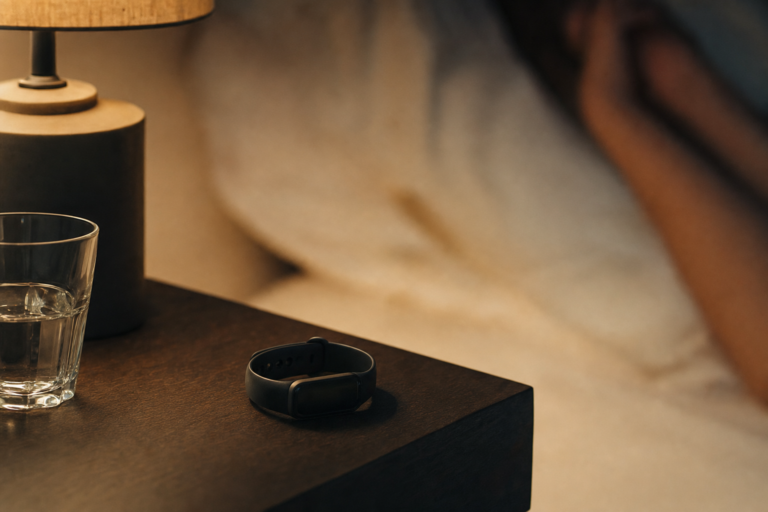
Heart rate variability (HRV)—the variation in time between heartbeats—has become a popular proxy for nervous system ‘balance,’ tracked by wearables and apps. Higher HRV is generally associated with greater autonomic flexibility, and it can offer a rough, personalized signal of recovery trends over time.
But HRV is influenced by dozens of factors beyond stress: sleep timing, alcohol, illness, caffeine, even the sensor’s placement. Interpreting a single day’s number as a verdict on how ‘regulated’ you are oversimplifies a genuinely complex measurement. For some users, checking HRV daily has become its own low-grade stressor—an ironic twist for a metric meant to signal calm.
Used as one data point among several, alongside sleep quality, mood, and energy, HRV can be informative. Treated as a scorecard to obsess over, it can undercut the very regulation it’s meant to track.
Cold Plunges, Breathwork, and Other Practices: Sorting Signal From Noise
Cold exposure, breathwork, and similar practices are frequently framed as nervous system ‘hacks.’ Some of the underlying physiology is well established: cold water on the face can trigger a reflexive slowing of heart rate, and slow, extended-exhale breathing patterns are linked to parasympathetic activity in physiological studies.
What’s often exaggerated is the scale and permanence of the effect. A two-minute cold plunge or a single breathing exercise can create a noticeable, short-term shift in arousal—useful in the moment, especially before a stressful task. It does not rewire baseline stress reactivity on its own, and it isn’t a substitute for addressing chronic stressors like poor sleep, overwork, or unresolved conflict.
The practices with the most consistent support tend to share a common feature: they’re repeatable, low-cost, and don’t require special equipment—slow breathing, movement, time outdoors, social connection. Novelty and intensity (ice baths, extreme breathwork protocols) attract more attention online, but the evidence base for gentler, sustained practices is arguably stronger for everyday stress management.

A Grounded Way to Think About ‘Regulating’ Yourself
A more accurate mental model treats regulation as an ongoing skill, not a fixed destination. Some days call for more sympathetic engagement—deadlines, physical effort, high-stakes conversations. Others call for parasympathetic recovery—rest, slow meals, unstructured time. Flexibility between the two states, not permanent calm, is the marker of a well-functioning system.
Practically, this means favoring practices you can sustain over months, not just the ones that look most dramatic in a video. Slow breathing during a commute, a short walk after a stressful meeting, consistent sleep timing, and honest conversations about workload tend to compound in ways that a single viral technique cannot replicate.
It also means treating vagus-nerve language on packaging or in captions with healthy skepticism. A product or practice being relaxing doesn’t automatically mean it’s uniquely ‘regulating’ the nervous system in a way nothing else can. Genuine physiological literacy—not the trend cycle—is the better filter.

Editorial Summary
The vagus nerve and nervous system regulation are real, well-documented parts of human physiology—but the wellness industry has stretched that vocabulary further than the evidence currently supports. Slow breathing, cold exposure, and HRV tracking all have plausible, partially supported mechanisms behind them. None of them are magic switches, and none replace the slower, less photogenic work of managing chronic stress at its source.
The most useful takeaway may be the simplest: regulation is a practice of flexibility, built through repetition, not a product you buy or a single technique you master once.