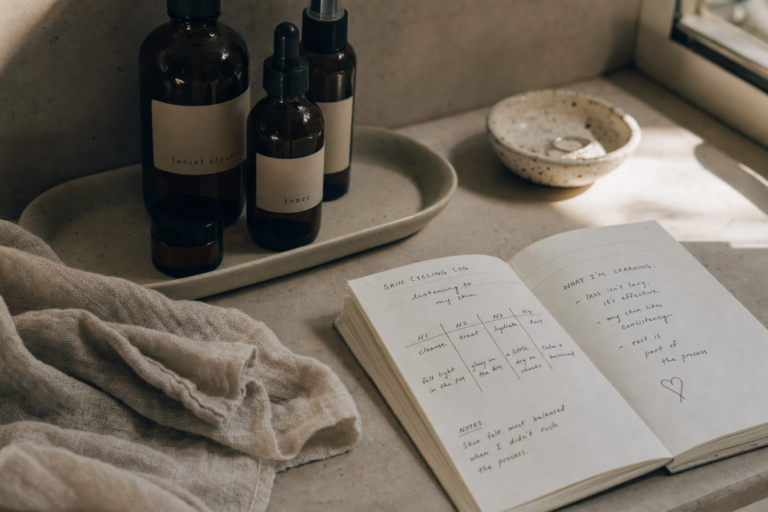
Every few months, a new skincare trend takes over your feed with the promise of finally fixing your barrier, your breakouts, or your dullness. Right now, it’s a three-way tie: skin cycling, skin flooding, and slugging. All three get credited with the same glow-up results, which makes them sound interchangeable. They aren’t.
Each method manipulates a completely different variable in your skin — active ingredient penetration, humectant saturation, or occlusion. That means their effectiveness has almost nothing to do with how viral the hashtag is and almost everything to do with your skin’s baseline hydration and tolerance going in. This piece breaks down the actual mechanism behind each trend so you can stop guessing and start matching the method to your skin.
Same Goal, Three Different Mechanisms — What Each Trend Is Actually Doing
Before comparing these routines, it helps to understand that they aren’t competing versions of the same idea. They target three separate points in your skin’s moisture and repair cycle: how much active ingredient gets absorbed, how much water your skin can hold, and how much of that water is allowed to evaporate. Confusing these mechanisms is usually why a trend that worked for someone else does nothing — or actively irritates — your skin.
Skin Cycling — Timed Active Rotation
Skin cycling is a scheduling system, not a product category. A typical cycle alternates exfoliation night, retinoid night, and two “recovery” nights of barrier-supportive moisturizer, repeating on a four-night loop. The logic is straightforward: actives like retinoids and acids work by increasing cell turnover or removing surface debris, both of which are mildly disruptive to the skin barrier. Spacing them out gives the barrier time to recover before the next disruption.
Research into retinoid use and exfoliating acids consistently shows that irritation and barrier compromise are dose- and frequency-dependent, which is the underlying principle skin cycling is built on. It’s less a discovery than a formalized version of what dermatologists have long recommended — introduce actives slowly and don’t stack multiple exfoliants on the same night.
Skin Flooding — Humectant Layering on Damp Skin
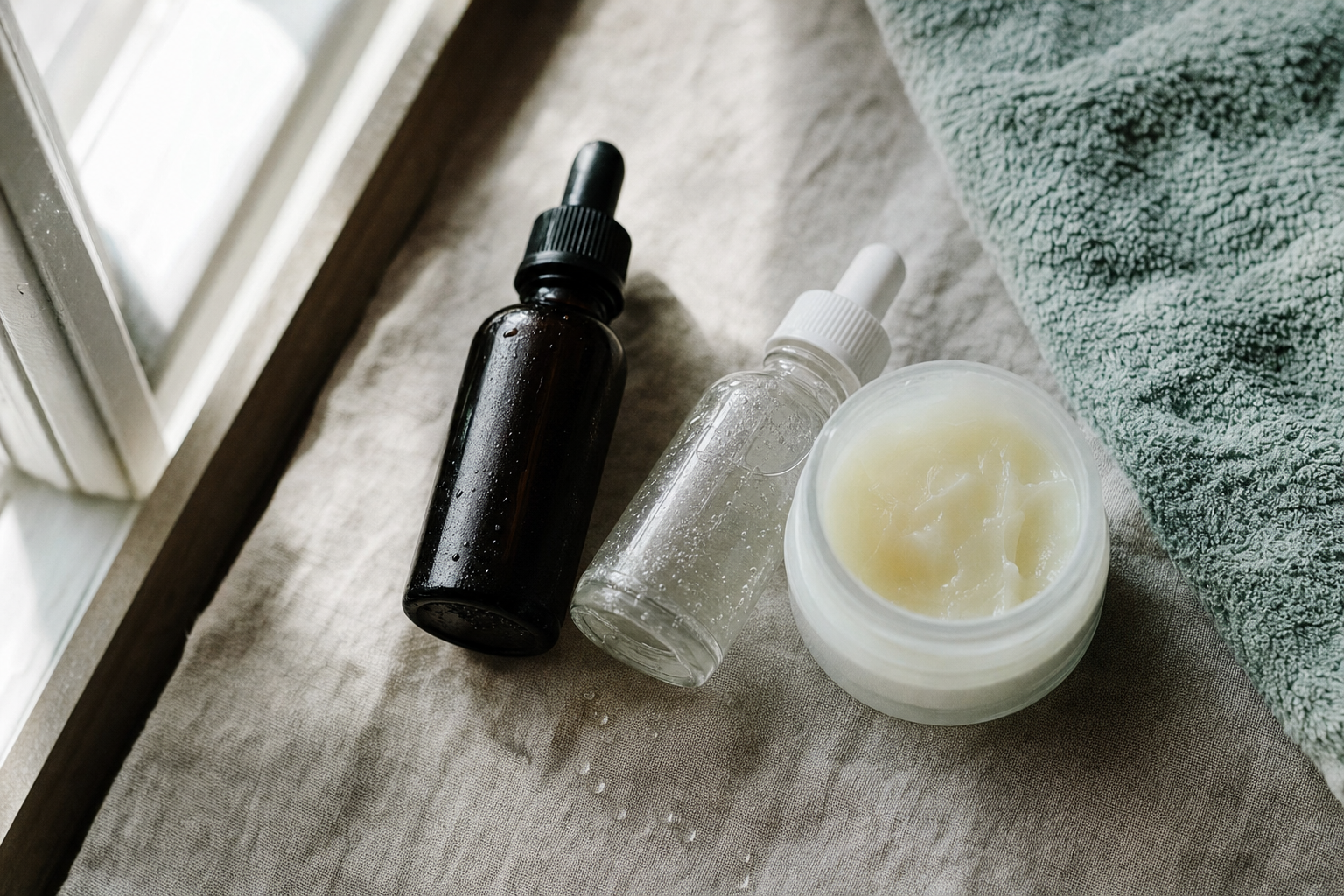
Skin flooding involves applying multiple humectant-rich products — think hyaluronic acid, glycerin, or panthenol — in thin layers on slightly damp skin, then sealing with a moisturizer. The mechanism here is humectant saturation: these ingredients draw water into the stratum corneum, and applying them on damp skin gives them more ambient water to pull from rather than pulling moisture up from deeper skin layers, which can happen in very dry environments.
This approach is essentially an intensified hydration protocol rather than a new ingredient category. It works by maximizing the water-binding capacity of the outermost skin layer, which is why it tends to help skin that feels dehydrated (lacking water) rather than skin that is oily but under-moisturized in a different sense.
Slugging — Occlusion to Trap Existing Moisture
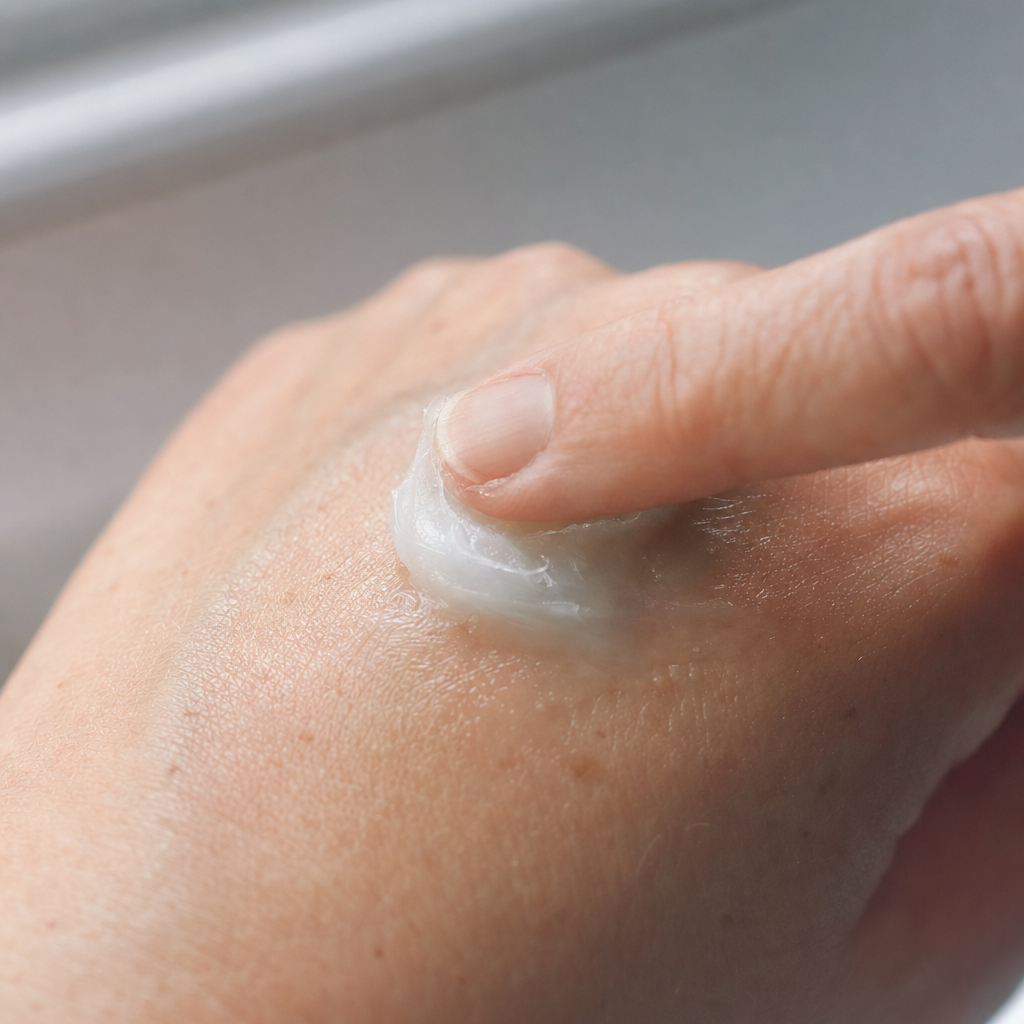
Slugging is the practice of sealing the entire face with an occlusive layer — commonly petroleum jelly — as the last step of a nighttime routine. Unlike cycling or flooding, slugging doesn’t add moisture or actives at all. It simply prevents transepidermal water loss (TEWL), locking in whatever hydration and product you’ve already applied underneath.
Occlusives have long been used in wound care and eczema management precisely because they reduce water loss so effectively. Dermatology research on barrier repair consistently points to occlusion as one of the most reliable ways to reduce TEWL, which is why slugging can produce a genuinely plumper, calmer appearance overnight — but only if there was adequate hydration to trap in the first place.
The Question That Matters More Than the Trend Name: What’s Your Skin’s Baseline?
Here’s the part most tutorials skip: none of these methods work in a vacuum. Their success depends on your skin’s starting hydration level and your tolerance for actives, not on following the steps correctly.
Ask yourself two questions before trying any of these:
- Is my skin dehydrated, oily, or barrier-compromised right now? Flaking, tightness after cleansing, and a dull texture usually point to dehydration. Persistent shine with clogged pores points to oil production issues, which humectants and occlusives address differently. Redness, stinging with normal products, and visible irritation point to a compromised barrier.
- How does my skin currently react to active ingredients? If retinoids or acids already cause peeling or redness at low frequency, your skin needs more recovery time built in — or a slower entry point — before skin cycling makes sense.
Research in this field consistently indicates that barrier function and hydration status are the primary determinants of how skin responds to both actives and occlusion. Skipping this self-assessment is why the same trend gets glowing reviews from one person and a breakout report from another.

Who Each Method Actually Helps (and Who It Can Backfire On)
Skin cycling tends to help people who want to introduce or continue using actives like retinoids or exfoliating acids but keep experiencing irritation from nightly use. It’s less useful for people with already well-tolerated routines, since it may simply slow down results without adding benefit.
Skin flooding tends to help dehydrated skin — including oily-dehydrated skin, which is common and often mismanaged. It can backfire on skin that’s already well-hydrated or acne-prone with clogged pores, where adding multiple humectant layers can feel heavy or contribute to congestion depending on the other products layered underneath.
Slugging tends to help dry or barrier-compromised skin, especially in cold or low-humidity climates, and is frequently used in dermatology-adjacent contexts for short-term barrier repair. It can backfire on oily or acne-prone skin, where trapping oil and product under an occlusive layer overnight may worsen breakouts, and it offers little benefit if there’s no hydration underneath to actually seal in.
Building a Hybrid Routine From the Parts That Work for You
The most useful takeaway isn’t picking a winner — it’s recognizing that these three approaches can be combined because they act on different variables. A realistic hybrid might look like: a skin-cycling schedule for actives on non-recovery nights, humectant layering (skin flooding) on recovery nights when skin needs a hydration boost, and an occasional slugging night reserved for periods of visible dryness or after a stronger active treatment.
The goal is to match the mechanism to the problem in front of you, adjusting frequency as your skin’s baseline changes with weather, hormonal cycles, or product introductions. None of these methods are permanent fixtures — they’re tools to reach for based on what your skin is signaling, not routines to follow indefinitely because they trended well.
Key Takeaways
Skincare trends work when they match your skin’s actual state, not because a method is inherently superior. Understanding the mechanism behind each viral routine turns them from guesswork into targeted tools you can combine intelligently.
If you’re still unsure where your skin’s baseline hydration and tolerance actually sit, that’s worth figuring out before committing to any of these routines. Take the 60-second Skin Baseline Assessment to see which techniques are likely to fit your skin before you try them.